Introduction
Local and regional authorities play an important role in developing the economy, job creation, and fostering ecosystems for entrepreneurship. Local Economic Development (LED) strategies offer a structured and integrated approach for economic development that builds on the existing economic advantages of a region.
With the help of an LED-framework, local authorities bring governments, businesses, knowledge partners, and citizens together to identify priorities and develop a local strategy. Multi-stakeholder cooperation ensures that activities strengthen each other across economic sectors. Moreover, it ensures support from the local authorities and the local community, thereby leading to more sustainable results.
Course content
The course discusses challenges, analyses the roles of national, regional, and local authorities, the private sector and civil society, and explores the potential of collaboration of all stakeholders for local economic growth. Participants will explore LED as a framework and as a practical process, from identifying local strengths to implementing strategies such as strengthening ecosystems for entrepreneurship, inclusive value-chain development, matching educational curricula with labour market needs, and creating public-private partnerships.
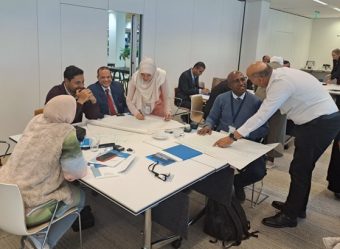
The course starts with an online part which gives participants a clear idea of the basic concepts and framework of LED, provides practical tools, and facilitates peer-to-peer learning through group work. The online part is followed by an in-person training in The Hague. During several study visits, participants deepen their insights, exchange experiences and lessons learned, and reflect on their own local context.