People should be able to identify with you and feel that you are one of them.

Public leaders around the world are increasingly held accountable for outcomes they cannot achieve through their own organisation alone. Challenges such as social inequality, climate adaptation, migration, economic development and public-sector reform involve multiple authorities, sectoral expertise and community interests. Conventional command-and-control approaches are insufficient. Leaders must work across organisations whose representatives may operate under different mandates and incentives, hold unequal levels of authority, information and resources, and disagree about both the nature of the problem and the desired outcome. Changes such as new appointments or organisational restructuring, political feasibility, shifts in public values or technical recommendations, often occur following elections but also unexpectedly. The result is a highly challenging leadership reality.
Additionally, there is often a gap between detailed procedures and what work environments requires. Specific public leadership skills are needed to diagnose complex and adaptive challenges, understand systems, interests and power relations, and work constructively with elected and appointed officials. Other challenges that public leaders face are to translate technical evidence into meaningful policy choices, and to facilitate collective decision-making beyond hierarchical authority. Furthermore, they need to maintain trust and continuity when people and political priorities change, and uphold integrity and accountability in ambiguous situations. Developing these capabilities requires sensing, probing and repeated practice. This training is designed to equip participants with adequate tools and concepts, providing a space for experimentation, guided reflection and peer exchanges.
People should be able to identify with you and feel that you are one of them.
The course is intended for mid- to senior-level professionals who lead or coordinate initiatives involving multiple institutions, including local, regional and national government officials, policy and programme managers, heads of departments or public agencies, city and regional leaders, coordinators of intergovernmental or multi-agency partnerships, professionals working with elected representatives, civil-society, development and knowledge-sector professionals who regularly collaborate with public institutions.
After this course, participants will receive a professional certificate of completion from The Hague Academy for Local Governance.
*Professionals employed by a local government or by a local NGOs on the DAC list of ODA-recipient countries (OECD) may qualify for a reduced course fee. Contact us for details.
The course helps participants practice how to:
Ultimately, this course helps a diverse international cohort of public leaders turn fragile multi-agency partnerships into trusted, evidence-informed learning systems that can deliver results across institutional and political boundaries. The course equips managers and decision-makers with facilitative skills for collective progress.
Experts who are involved in this course:
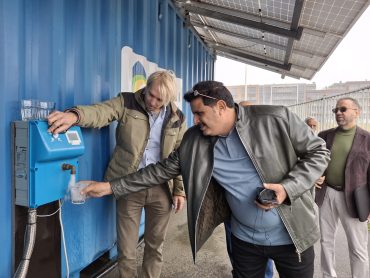
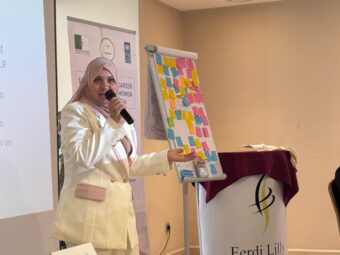
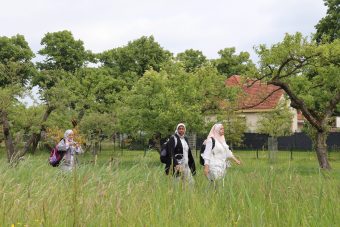
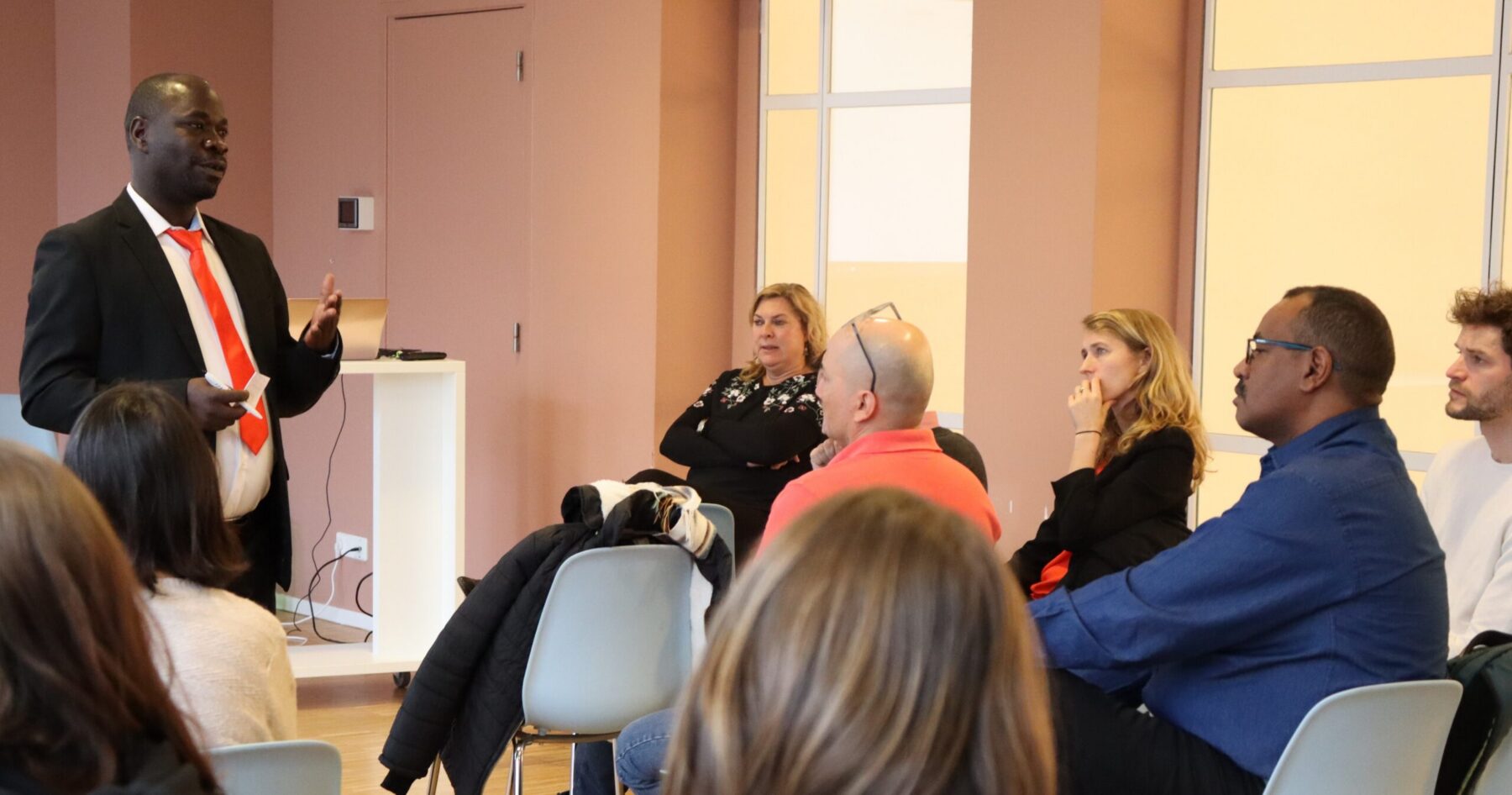
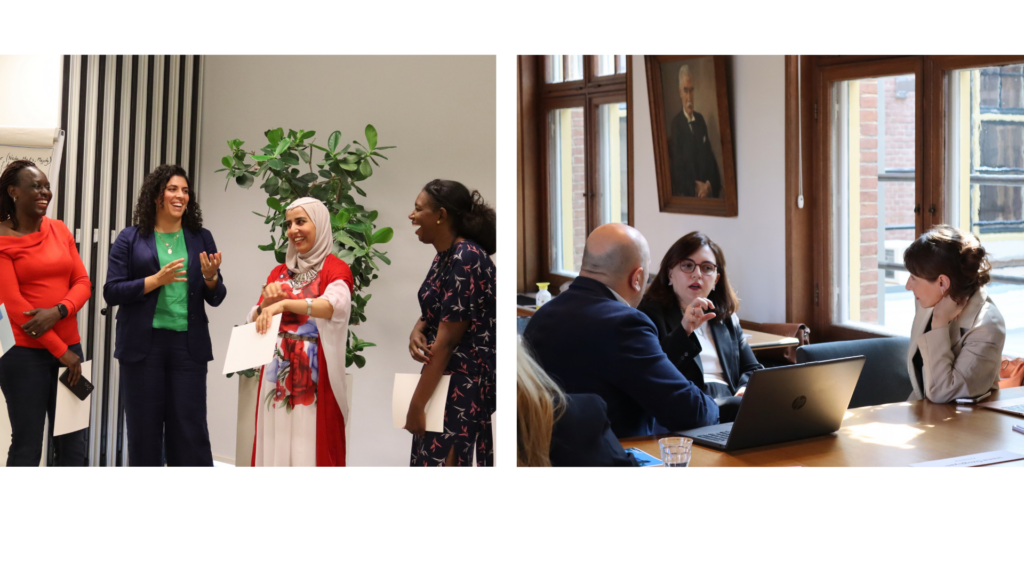
The course is designed for public and non-profit governance practitioners from a variety of national and local backgrounds. It includes a visit to a municipality and ministry in the Netherlands. The study visits offer first-hand insights on public leadership in practice and opportunities to exchange experiences. Based on the tools, concepts and international experiences shared, participants will draw lessons relevant to their own context. Participants will engage in a political-administrative negotiation simulation, stakeholders map activity, strategic visioning exercise, difficult-conversation role plays, and discussions based on participants’ cases.
The five-day programme offers space for individual reflection, with participants’ own cases serving as a continuous thread. The trainers create a stimulating environment in which participants can practise specific leadership skills, test stakeholder engagement strategies and receive feedback. Furthermore, participants receive support in the development of individual back home action plans that are suitable to politically sensitive settings. An optional follow-up online session on participants’ cases will be hosted six to eight weeks after the course.
Find the practical information for the course here.
After submitting your completed application, you will receive a confirmation of receipt. Once we have assessed your application and admitted you to the course, we will send you an invoice with payment details.
Payments can be made by bank transfer or by PayPal request. We offer the option of paying in one or two instalments. An advance payment of 50% secures the reservation of a seat at the training until the payment deadline, one week prior to the course start date. Your participation in the course is guaranteed only after receipt of full payment.
Please note that The Hague Academy accepts registrations on a first-paid, first-served policy.
Some countries require a visa to enter the Netherlands. Please check with The Netherlands or the embassy for the visa requirements related to your country. Because of the length of time needed for the visa procedure, we advise you to start this process as soon as possible. Once we have received your payment for the course, The Hague Academy will send you an acceptance letter which will assist you in arranging your visa to The Netherlands.
We understand that unforeseen circumstances may arise, necessitating the cancellation of your attendance. In such cases, please be aware of our cancellation policy:
The Hague Academy for Local Governance reserves the right to cancel a course if the number of participants is insufficient or due to any other unforeseen circumstances. In this case, your payment will be 100% reimbursed. Other costs such as transportation or hotel cannot be reimbursed.
We offer a diversity of courses throughout the year. Here are several other courses you might like.
Explore our latest news, stories and publications!
At the Hague Academy, we specialise in developing training programmes that fit your specific needs. Contact us if you are interested in a customised training!