How to include the voices of all citizens in the policy process.

Imagine a municipality has just opened a new park: It’s well-located, offers plenty of space for outdoor activities and is clean. To find out if it meets residents’ needs, the municipality asks citizens for their feedback a few weeks after the official opening.
Does this process sound familiar? Often, municipalities make decisions or complete projects, and only afterwards ask their citizens for feedback or complaint. But what if we encouraged our communities to get involved earlier?

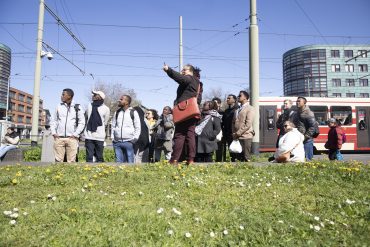
Participants of the Urban Governance training in 2022 learning about urban planning in Amsterdam.
Local governments want participation, but often lack the tools to make it happen
In theory, local governments welcome the active involvement of the public. The participation of citizens provides more insights into what citizens really want and need, achieves mutually supported goals and leads to more effective decisions and strengthens local democracy.
However, local government staff and elected representatives find that participation in practice doesn’t live up to its promise. When organising participatory processes, they often run into barriers, such as:
- Rigid procedures that limit how and when people can be involved
- Competing political interests or pressure from powerful groups
- Limited time and budget
- A lack of clear procedures and tools to structure citizen engagement
In many cases, what remains are complaint boxes, citizen report cards, or feedback forms; important but reactive tools that rarely lead to real dialogue or influence.
Planning is what turns participation from an idea into a real process
For citizen involvement to go beyond the theoretical level, we need to deliberately plan for it. Participation planning helps local governments define:
- What kind of input they need
- Who should be involved (including underrepresented groups)
- What methods they will use
- How citizen input will feed into decisions
- How and when they’ll communicate with the public
- What budget and capacity are available
Planning for participation is not about creating a perfect process but choosing to be deliberate: to ask the right questions early, to think beyond feedback forms, and to connect participation to real decisions.
“Meaningful participation doesn’t happen by accident. It requires intentional choices about who is involved, how they are reached, and how their voices shape decisions.” Lars Burema, Head of Programmes, The Hague Academy for Local Governance
The sooner citizens are involved, the more influence they can have
The level of influence citizens have, depends on when and how they’re invited into the process. Returning to the park example, local governments might want their residents to:
- Share how they currently use green space in the neighbourhood and what they miss or need
- Respond to early design proposals
- Suggest ideas they would like to see implemented
- Take part in selecting the final design
Small tools like an interactive map can open big doors
Let’s return to the park. To move feedback to targeted engagement, the municipality could design a digital map of the park that citizens can access online. While navigating this map, they can leave a suggestion, idea, or picture on a specific point. This allows residents to share ideas and gives structured, place-based feedback the municipality can actually use.
It is a good example of participation that is thoughtful, transparent, and clear about what is being asked, who it is for, and how it will be used.

Citizens can leave feedback about playgrounds and parks on a digital map of Amsterdam. Photo taken from website buitenspeelkaart.nl.
Would you like to improve participation in your municipality’s policies or projects?
The Citizen Participation and Inclusive Governance course provides you with a conceptual framework, as well as with practical tools for planning and implementing citizen engagement. The course offers opportunities for peer learning with fellow participants and Dutch practitioners, and supports you in developing your own Back-Home-Action Plan to implement after the course.
Related courses
We offer a diversity of courses throughout the year. Here are several other courses you might like.