
How to shape digital transformation and use data to improve public services, increase citizen participation, and develop better policies.

Digital transformation can make local government services faster and easier to access. Residents can apply for permits online, report neighbourhood incidents, or receive service updates by text message. But digital services can also create new barriers. In our Citizen Participation and Inclusive Governance course, Shahenda El Naggar, trainer on digital transformation and e-government, discussed with participants how local governments can use e-government tools to inform and engage citizens without leaving the less connected behind.
“Good digital governance means making democratic tools and public services accessible to everyone, including people who are unable to access the services.“ – Shahenda El Naggar
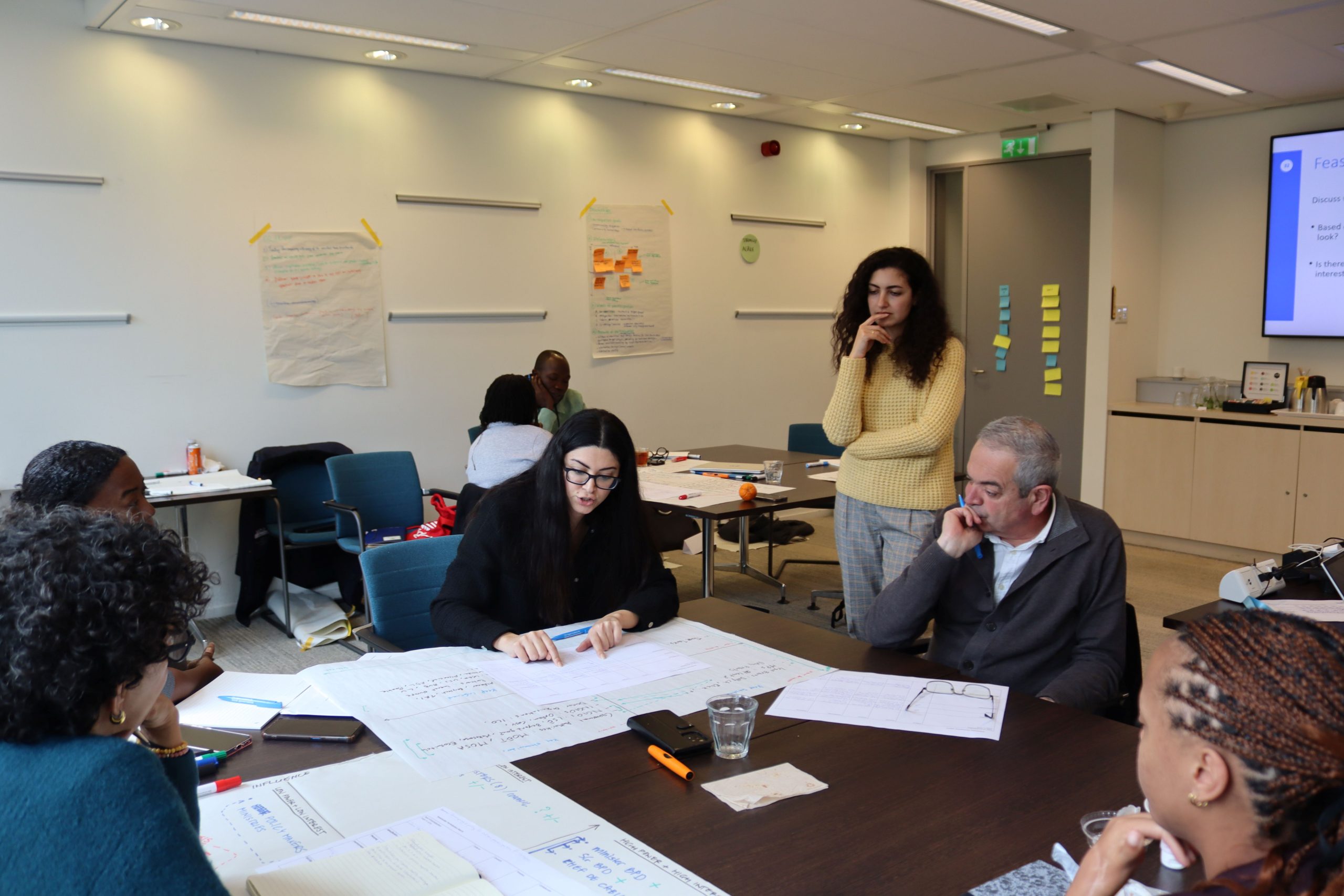
Participants discussing citizen-centred digital transformation during the Citizen Participation and Inclusive Governance course.
How do digital services exclude citizens?
For many citizens, the municipal office is their direct point of contact with the government. It is where they register a birth, apply for social support, or pay local taxes. Moving these services online can make them more convenient, but only when local governments understand how different residents access and use technology.
Many citizens use online services confidently, while a large group still lack the skills or means to access them. They need to share devices with others, depend on limited mobile data, or need support because of disability, language barriers, or limited digital skills. Some may also hesitate to use digital services because they do not know how their personal information will be used.
Despite this, reports show that citizens increasingly ask for more digital public services. At the same time, many want to have a say in how they should be delivered*.
“Citizens are interested in digital public services, but many still have concerns: Will I be able to use them? Can I still speak to someone in person? Governments must use data and technology to improve services without leaving behind the significant group of people who lack access, skills, or confidence.” – Shahenda El Naggar
How can local governments design services around citizens?
Local governments might be quick to start digital transformation by asking which services can be offered online. However, a citizen-centred approach begins with understanding the citizens’ needs and expectations. Shahenda stresses that local governments should design services with citizens rather than for them. For successful implementation of a digital service where disconnected citizens included, she recommends using the Double Diamond approach. This framework guides local governments and their citizens through four stages: Discover, Define, Develop, and Deliver.
In the process, municipalities can observe how their residents currently access a service by asking them questions such as:
- How are our citizens’ needs changing through technology? How do our citizens view their lives?
- What do they think of the services they receive?
- What obstacles do they face?
- Which communication channels do they already use?
- Are they ready to access government services that use more data and digital technology?
Based on the answers, municipalities can develop possible solutions and test them with different groups before launching the service. This helps identify practical barriers early, rather than after a service has already been moved online.
How can local governments keep services accessible?
Digital access should not mean digital-only access. To avoid excluding vulnerable groups, such as the elderly, or community members with low digital literacy, Shahenda recommends that local governments offer access to public services both digitally and in-person. This can be done by combining online services with telephone or face-to-face support. She stresses that it is important to maintain communication with citizens through different channels: the internet, phone, email, and in-person interaction.
To conclude, if governments want to prevent groups of citizens from being excluded, they need to involve citizens in the digital transition process. This way, governments can identify barriers for less connected citizens early and find practical solutions together.
Would you like to learn more about how to lead digital transformation processes that include and reach all citizens? The upcoming Digital Transformation in the Public Sectorcourse will address this topic with presentations and case studies from practitioner experts.
*Reported by the Ipsos MORI and EY study where 12,100 participants of working age, across 12 countries globally were asked about their expectations regarding technology in government.
Related courses
We offer a diversity of courses throughout the year. Here are several other courses you might like.