In the end, democratic societies are stronger and more resilient than any autocracy. And more adaptable too.

Across the world, democracy is under pressure. Political polarisation, declining trust in institutions, restrictions on civic space and media, corruption, and the rapid spread of disinformation increasingly affect the functioning of democratic institutions and democratic freedoms for citizens. This course explores how democratic systems function under pressure and how national and subnational authorities as well as civil society can defend democratic values and contribute to democratic resilience within their respective roles. Rather than promoting ideal models, the training focuses on analysing democratic threats, understanding the underlying institutional dynamics and governance relationships, and identifying realistic and context-sensitive strategies to remain effective, professional and credible in challenging environments.
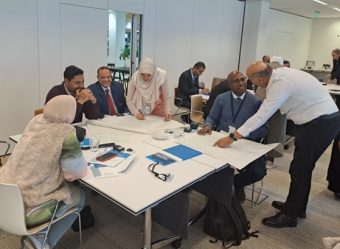
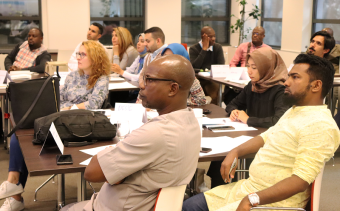
Participants examine the interaction between democratic institutions, civic space and the digital public sphere, including the role of the media in fostering an open public debate and holding governments accountable. The course also discusses how civil society and public institutions can engage in responsible strategic communication to respond to disinformation narratives and safeguard information integrity in their respective contexts. By discussing country cases, bringing together different perspectives, engaging in simulations and peer exchange, participants deepen their insights into international practices and effective approaches that aim to defend democracy and strengthen democratic resilience.
In the end, democratic societies are stronger and more resilient than any autocracy. And more adaptable too.
This course is intended for professionals from local and central government, civil society organisations and development organisations working on governance, democracy, participation, integrity, rule of law and related fields.
After this course, participants will receive a professional certificate of completion from The Hague Academy for Local Governance.
*Professionals working in local government or for local NGOs on the DAC list of ODA-recipient countries (OECD) may qualify for a reduced course fee. Contact us for details.
By the end of the course, participants will be able to:
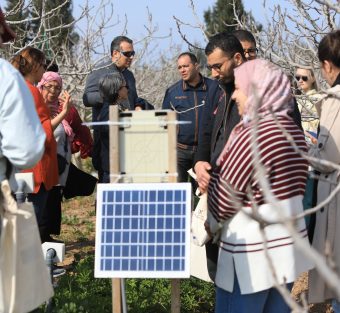
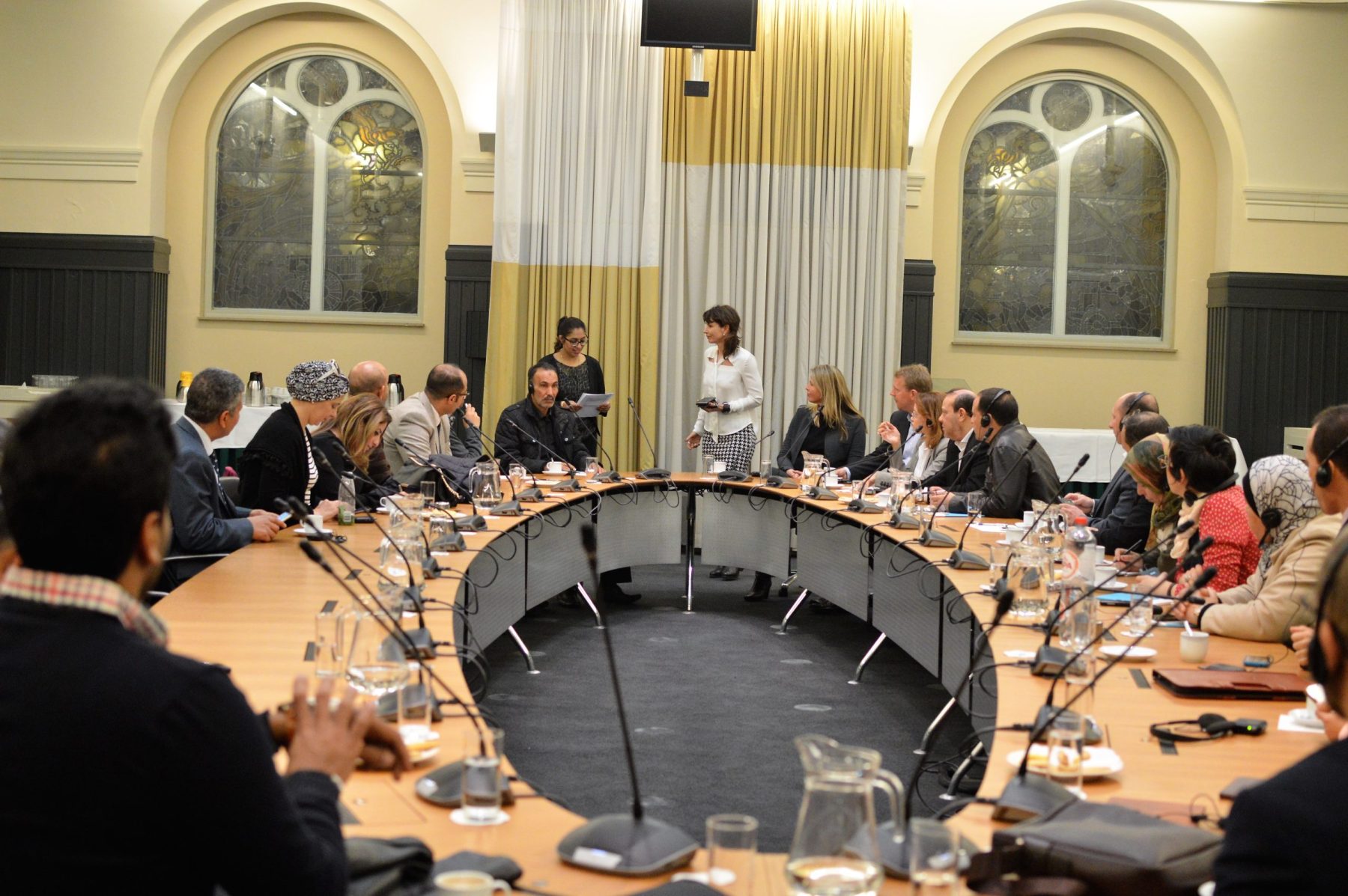
The course includes several study visits to offer inspiration and learn from best practices in The Netherlands. Participants visit a Dutch municipality, where civil servants explain how they work on citizen participation, transparency and trust-building in a complex and polarised societal context. A study visit to the ombudsman provides insight into oversight mechanisms, complaint handling and the protection of citizens’ rights within democratic systems. ProDemos – House for Democracy and the Rule of Law – shares their work on civic education, raising democratic awareness, and the role of public information in strengthening democratic engagement. The course discusses access to information, with NGOs such as the Open State Foundation, Transparency International, and the Democracy Monitor, including how access to information frameworks function in practice and contribute to accountability and public trust. The Dutch Association of Municipalities presents their programme to protect elected representatives against intimidation and undermining.
In addition, the programme includes engagement with civil society organisations that promote media freedom, freedom of expression, and countering disinformation, such as Free Press Unlimited and Defend Democracy. Through dialogue with practitioners working on fact checking, information integrity, public awareness and responsible strategic communication, participants gain insight into practical approaches to safeguarding democratic debate and responding to disinformation in a professional and rights-based manner.
In addition to the study visits, participants work on case studies drawn from their own professional practice to analyse democratic challenges and explore realistic, context-sensitive responses. The training includes regular peer exchange and reflection, enabling participants to share experiences and lessons learned from their context.
Find the practical information for the course here.
After submitting your completed application, you will receive a confirmation of receipt. Once we have assessed your application and admitted you to the course, we will send you an invoice with payment details.
Payments can be made by bank transfer or by PayPal request. We offer the option of paying in one or two instalments. An advance payment of 50% secures the reservation of a seat at the training until the payment deadline, one week prior to the course start date. Your participation in the course is guaranteed only after receipt of full payment.
Please note that The Hague Academy accepts registrations on a first-paid, first-served policy.
Some countries require a visa to enter the Netherlands. Please check with The Netherlands or the embassy for the visa requirements related to your country. Because of the length of time needed for the visa procedure, we advise you to start this process as soon as possible. Once we have received your payment for the course, The Hague Academy will send you an acceptance letter which will assist you in arranging your visa to The Netherlands.
We understand that unforeseen circumstances may arise, necessitating the cancellation of your attendance. In such cases, please be aware of our cancellation policy:
The Hague Academy for Local Governance reserves the right to cancel a course if the number of participants is insufficient or due to any other unforeseen circumstances. In this case, your payment will be 100% reimbursed. Other costs such as transportation or hotel cannot be reimbursed.
Explore our latest news, stories and publications!
At the Hague Academy, we specialise in developing training programmes that fit your specific needs. Contact us if you are interested in a customised training!